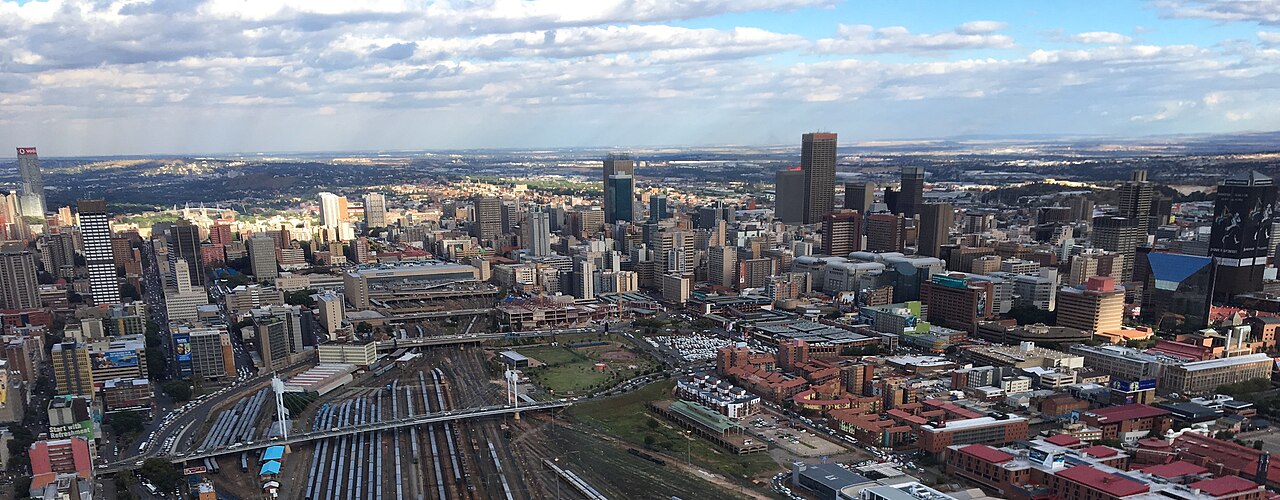
Joburg's Deepening Woes: Service Failure & Election Battle Looms
South Africa's vibrant economic heart, Johannesburg, finds itself at a critical juncture, grappling with a severe service delivery crisis and mounting financial instability. The city's current predicament has reached a point where its administration is actively seeking assistance from the National Treasury, signaling a profound red flag for the nation's financial capital. As residents contend with intermittent water supply, power outages, and other basic service failures, the stage is set for what is expected to be the most fiercely contested local government elections in Joburg's history. The debate over effective
johannesburg government aid, both from national authorities and through local initiatives, has never been more urgent.
A City on the Brink: Unpacking Johannesburg's Service Delivery Crisis
Johannesburg, a sprawling metropolis home to millions, is experiencing an alarming deterioration in essential public services. The once-bustling economic hub now faces a stark reality where even basic provisions like water and electricity are becoming unreliable. Finance Minister Enoch Godongwana has openly stated that officials "can’t provide any basic services at the moment, whether it’s water or anything else," underscoring the severity of the situation. This isn't merely an inconvenience; it's a crisis that impacts residents' daily lives, stifles businesses, and erodes public trust in governance.
The challenges are multi-faceted:
- Water Shortages: Persistent issues with infrastructure, maintenance, and supply have left many areas without consistent water access, forcing residents and businesses to seek alternative, often costly, solutions.
- Electricity Outages: Beyond national load shedding, local infrastructure failures contribute to additional power cuts, disrupting economic activity and household routines.
- Waste Management: Inconsistent refuse removal, illegal dumping, and neglected public spaces contribute to health hazards and blight the urban landscape.
- Infrastructure Decay: Roads, public buildings, and critical utility networks show signs of significant neglect, requiring substantial investment for rehabilitation.
These service failures are a direct symptom of underlying financial mismanagement and a lack of coherent long-term planning. The city's fiscal health has been a concern for some time, with warnings issued by Minister Godongwana regarding potential withholding of key grants if financial issues were not addressed. For residents, the immediate impact is a decline in quality of life, increased household expenses (e.g., for bottled water, generators), and a growing sense of frustration.
National Treasury's Hand: The Prospect of Intervention and Johannesburg Government Aid
The gravity of Johannesburg's situation has compelled its administration to engage in discussions with the National Treasury, exploring potential remedies for its mounting financial troubles. Minister Godongwana has made it clear that "National government cannot remain a spectator" and will eventually have to intervene. The form of this intervention, however, remains a matter of intricate detail and legal consideration.
One significant option on the table is placing Johannesburg under administration. This would entail the national or provincial government taking over the management of the city's affairs, a drastic measure designed to restore financial stability and service delivery. However, Godongwana himself has questioned whether such a move would definitively resolve the city's deeply entrenched problems, highlighting the complexities involved. Any intervention would require a robust legal framework and careful execution to avoid further destabilization.
The potential for national
johannesburg government aid could take several forms:
- Financial Bailout: Direct funds or guarantees to stabilize the city's finances and clear outstanding debts.
- Technical Support: Deployment of experts from national departments to assist with financial management, infrastructure planning, and service delivery implementation.
- Conditional Grants: Providing funds tied to specific performance targets and improvements in governance.
- Administrative Takeover: As mentioned, this would be the most severe form, involving direct control by higher spheres of government.
These discussions underscore the profound interdependency between local and national governance, particularly in an economic powerhouse like Johannesburg. The city's failure would have ripple effects across the national economy, making intervention a strategic imperative rather than just a local matter. For a deeper dive into the ongoing discussions and their implications, read about the
Johannesburg Crisis: National Treasury Considers Intervention.
The Political Battleground: Local Elections and the Fight for Control
The escalating fiscal and service-delivery challenges have dramatically heightened the stakes ahead of municipal polls, expected within the next year. Johannesburg's political landscape has been characterized by instability since 2016 when the African National Congress (ANC) lost its outright majority, leading to a series of fragile coalition governments. No single party has been able to secure stable control, resulting in frequent changes in leadership and a lack of consistent policy implementation. The ANC currently leads the existing coalition government in Johannesburg.
This political fluidity directly impacts the city's ability to address its crises. Short-term political maneuvering often takes precedence over long-term strategic planning, exacerbating existing problems. The upcoming elections are anticipated to be a fierce contest, with major players already fielding strong candidates:
- Democratic Alliance (DA): The country's second-largest party has nominated former Western Cape Premier Helen Zille, known for her administrative experience and strong governance record.
- ActionSA: Has put forward Herman Mashaba, a former Johannesburg mayor, who is expected to leverage his previous experience and focus on service delivery and anti-corruption.
- African National Congress (ANC): Will likely defend its current leadership, with Mayor Dada Morero at the helm, facing intense scrutiny over the current state of affairs.
The outcome of these elections will not only determine who governs the city but also the approach taken to tackle the myriad challenges. Voters, increasingly frustrated by service failures, are likely to cast their ballots based on which party offers the most credible solutions to their daily struggles. This election is not just about political power; it's about the very future and functionality of South Africa's most significant economic engine.
Bridging the Gap: The City's Indigent Programme as Vital Johannesburg Government Aid
While the city battles its systemic issues and appeals for national assistance, it also runs critical internal programs designed to provide direct
johannesburg government aid to its most vulnerable residents. One such initiative is the extended indigent programme, a lifeline for financially distressed households struggling to afford basic municipal services.
Understanding the eligibility and benefits of this programme is crucial for residents facing financial hardship. Indigent households are currently defined as those with a total monthly income of R7,076.64 or less. The benefits offered are substantial and aim to significantly alleviate the burden of utility costs:
- 100% Rebates: On refuse removal, water, and sewerage charges.
- Free Basic Services: 50kWh of free electricity and six kilolitres of free water.
- Zero-Rated Refuse Removal: For eligible households.
- Discounted Property Rates: Providing further financial relief.
Alderman Mzobanzi Ntuli, the MMC for Finance, emphasized the programme's importance, stating, "By extending the eligibility criteria, we hope to reach even more residents who need assistance." The City is actively conducting outreach programmes in various communities to raise awareness and assist residents with applications, ensuring that those who need help can access it.
How to Apply for the Indigent Programme:
Residents can apply through two primary channels:
- Online: Via the City of Johannesburg’s official website. This offers convenience and allows for digital submission of documents.
- In-Person: At their nearest customer service centre. This provides an opportunity for direct interaction with City officials and guidance through the application process.
Applicants are required to provide proof of income, identity, and residency. It is vital for all eligible residents to take advantage of this programme, as it represents a tangible form of direct
johannesburg government aid that can significantly improve household financial stability amidst the broader economic challenges. For detailed steps on application and more, refer to the
Joburg Indigent Programme: Apply for Water, Electricity Rebates.
Conclusion
Johannesburg stands at a precipice, with its twin crises of financial instability and service delivery failures demanding immediate and sustainable solutions. The urgent plea for National Treasury aid, coupled with the highly anticipated local government elections, underscores the pivotal moment the city finds itself in. While national intervention is being contemplated, local initiatives like the extended indigent programme provide essential relief to its most vulnerable citizens. The choices made by both the national government and Joburg's electorate in the coming months will undeniably shape the future trajectory of South Africa's economic engine, determining whether it can overcome its deepening woes and reclaim its status as a thriving, well-managed metropolis.